


Local Attractions · Evart · 4 min read
A field full of hammers: Evart’s dulcimer Funfest
One weekend each July, a small Osceola County fairground holds the largest hammered-dulcimer gathering on earth.
The sound gets to the car before the parking attendant does. Not one dulcimer. Forty of them, maybe more — pairs of small wooden hammers coming down on strings a half-beat apart, spread across a fairground under oak trees, so the whole place rings in a wash that keeps starting over and never lands. Windows up or down, it comes in the same.
This is the Original Dulcimer Players Club Funfest, held at the Osceola County Fairgrounds in Evart — a town of 1,742 — on the third weekend of July, the way it has run there for half a century. In 2026 that weekend is July 16 to 18.
The club formed in September 1963. Elgia Hickok, Gene Cox, a few others keeping alive an instrument most people had never laid eyes on. For its first decade the meeting moved around. Then, in the fall of 1973, it settled onto the grounds on Recreation Avenue, stretched to two days, and let people camp. It hasn’t moved since. The organizers call it the largest hammered dulcimer event in the world, and after an afternoon standing in the middle of it, I’m not the one to check their math.
Here is what a hammered dulcimer is, if you’ve gone your whole life without meeting one. A trapezoid of wood strung with sixty-some strings, played with two flexible hammers, propped on a stand at waist height. The sound is a piano’s older, stranger cousin — bright, metallic, gone almost as fast as it arrives, so a player has to keep striking to hold a note at all. Alone in a living room it’s a novelty. A few hundred of them in a July field is a different thing. It stops being an instrument and turns into the temperature of the air.
The club was built to preserve the Michigan history of the instrument, and by the time those men started meeting it had mostly gone quiet. That’s the part with no irony in it. The whole non-profit exists to keep it from going silent for good — and you watch a nine-year-old and a man in his eighties trade a tune across a circle of folding chairs and the mission stops reading like a line on a brochure.
The numbers hold up. Several thousand people, by the club’s own reckoning. More than 200 workshops over the long weekend — fiddle, banjo, mountain dulcimer, autoharp, penny whistle, gospel singing, contra dance, an Irish jam that treats a meal as optional. Admission is $10 for a day, $20 for the whole run, free if you’re twelve or under. That is not a misprint. The largest gathering of a rare instrument on the planet, for less than a sandwich.
The workshops are the engine. They run in the fair buildings and under open tents from morning on, and once you’re through the gate they cost nothing — a beginner’s hour, a session on old-time backup, a room learning to build the thing from a kit. You can arrive not knowing which end of the hammer to hold and leave able to fake your way through a couple of tunes. That’s the design. Nobody’s selling you a level: they hand you an instrument and a chair.
Come for the stage shows and you’ll miss it. The stage is the smallest part. The festival lives in the parking lots and the campground — circles six and ten chairs deep, players who’ve done this together for thirty years working through tunes nobody bothered to write down. Down one row, makers sell instruments off folding tables and fix the ones that cracked in somebody’s trunk on the drive up. Some campers turn up weeks early to hold a spot. There’s no shade worth the name in the lots by two in the afternoon, and July in Osceola County does not negotiate. Cut grass, bug spray, fryer oil off the food tent, and under all of it warm canvas and dust.
The jams run past midnight. You can be half a mile off in a tent with the fiddles still going, and the thing nobody warns you about is that you stop wanting them to stop.
Go in July. There’s no shoulder season for this — it happens once, on its weekend, and then the field goes quiet for another year. We keep a house near town, https://roamstays.com/properties/coyote-fire-retreat/, close enough to drive in for the day and drive back out to a bed that isn’t a cot in ninety-degree canvas. Bring earplugs if you want, though most people leave them in the bag.
By Sunday the lots thin out. Somebody’s left a pair of hammers on a folding chair. They’ll keep.
Related articles
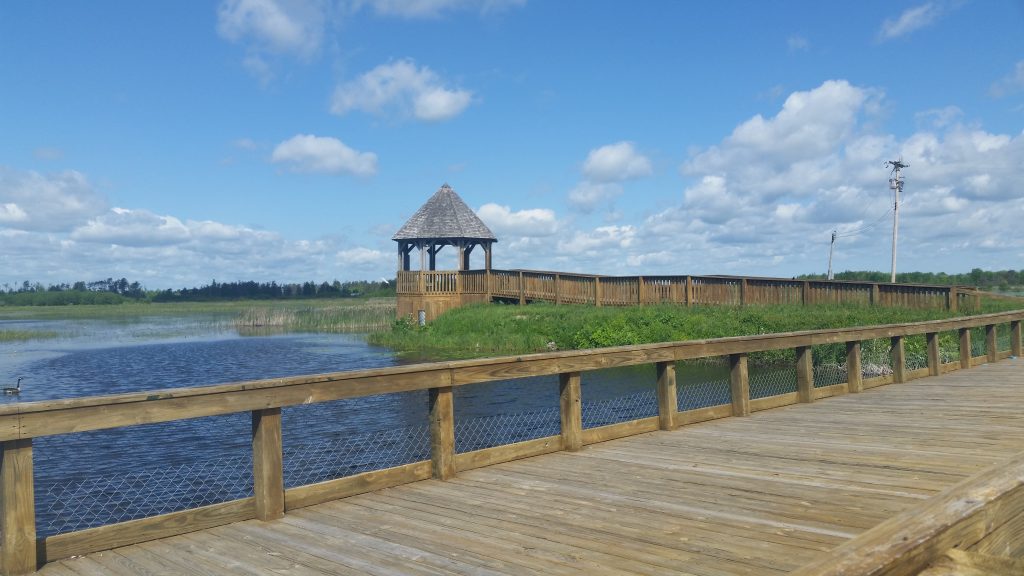
Teal Weekend at the Flats
Nine days, two legal ducks, and a DNR marsh with no gate and no permit lottery — here is what to know before the early teal…
Read the guide →
The Martiny Chain of Lakes near Barryton
A man-made flooding of eight connected lakes near Barryton, full of panfish, bass, and pike, with six public launches.
Read the guide →
A long weekend in Lake
Three nights on a small spring-fed lake in Clare County, with one afternoon drive north to Cadillac's two-lake waterfront.
Read the guide →Nearby stays in Evart
Same region, same standard.
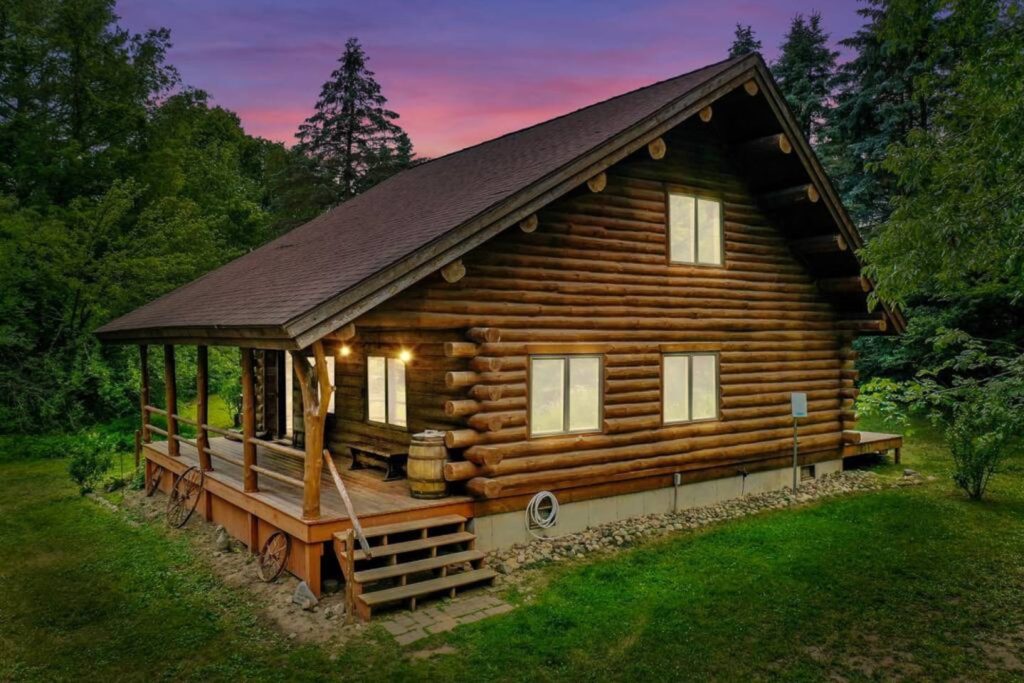 $84 / night
Coyote Fire Retreat
Secluded | Sauna, Fire Pit & 20 Acres of Trails2 Bed, 7 Beds, Up to 10 Guests, 1 BathBook now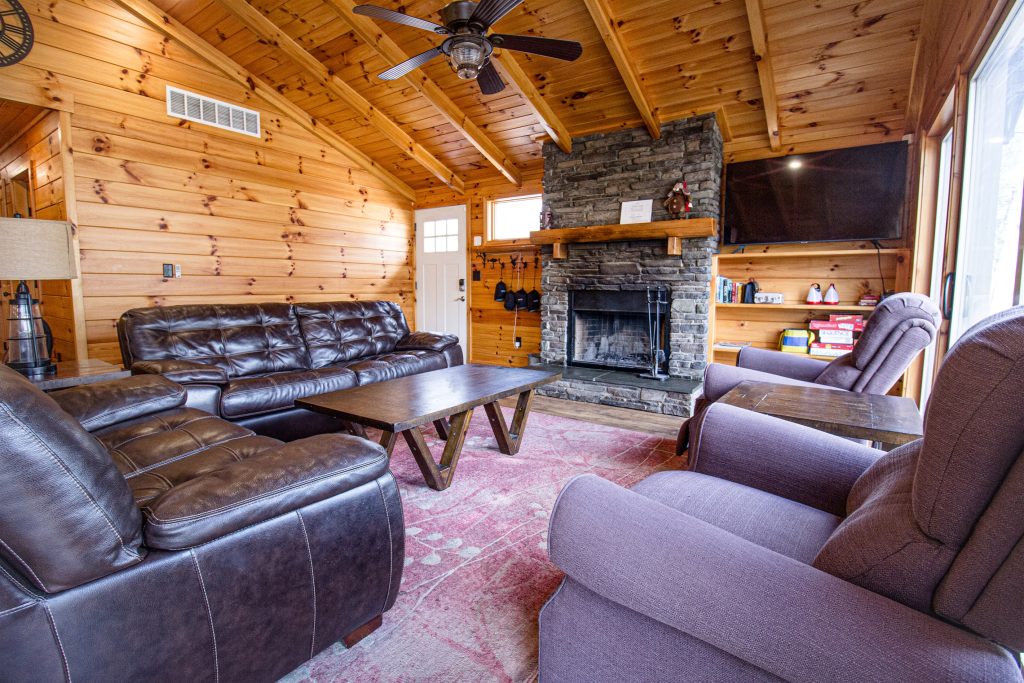 $218 / night
Timber Bend & Wildlife Haven Retreats
Two Riverfront Homes | Hot Tub, Sauna, Kayaks + More6 Bed, 12 Beds, Up to 20 Guests, 3 BathBook now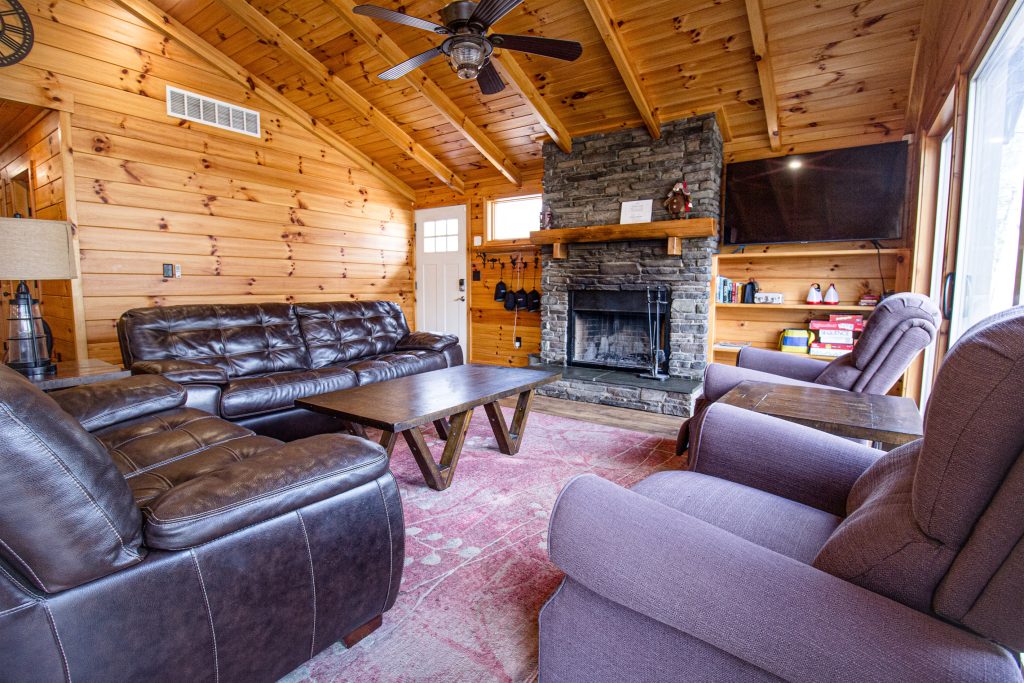 Guest favorite$84 / night
Timber Bend Retreat
Riverfront | Hot Tub, Fireplace, Kayaks & Tubes3 Bed, 6 Beds, Up to 10 Guests, 1 BathBook now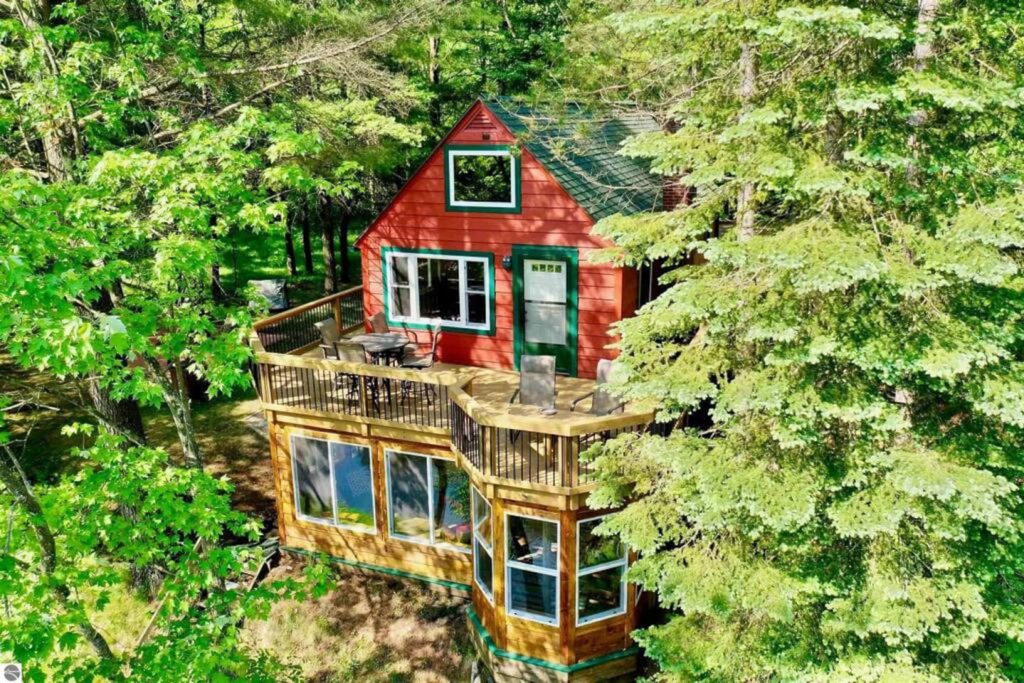 Guest favorite$84 / night